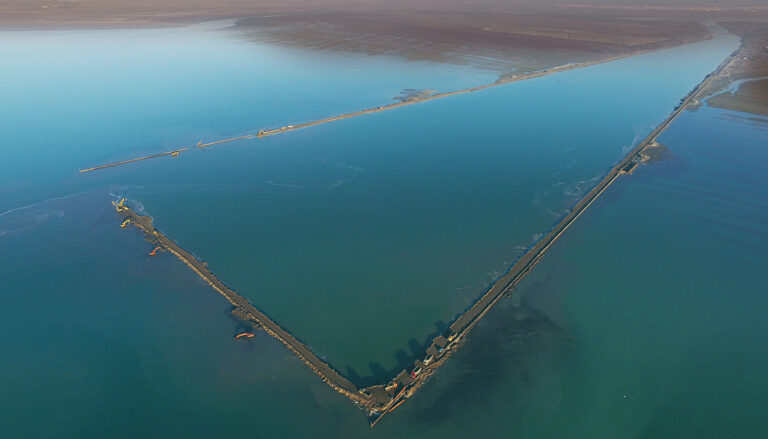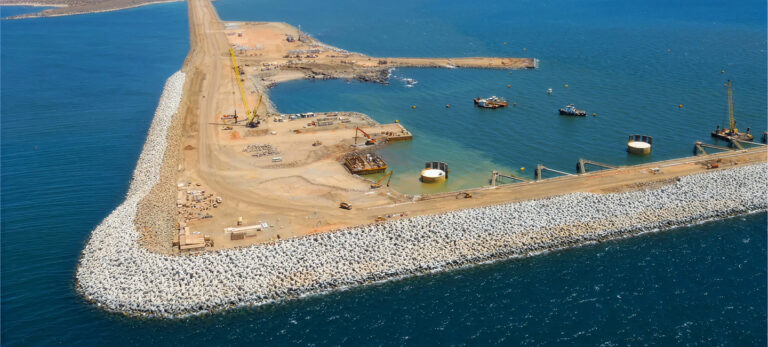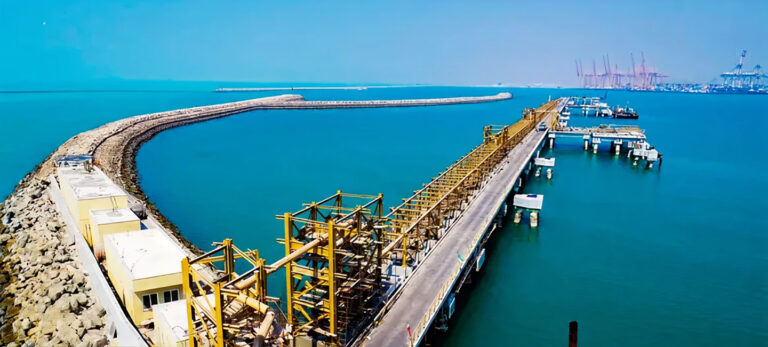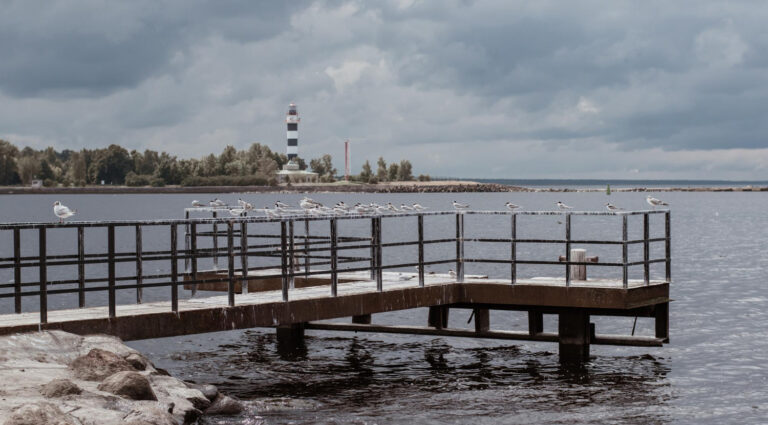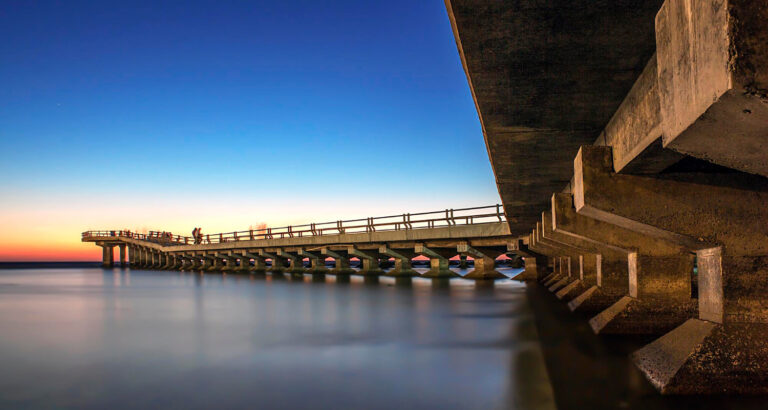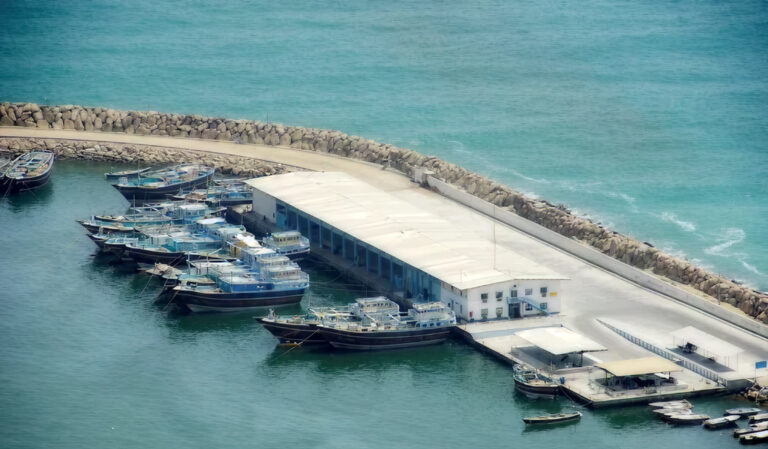

Ports and docks are critical infrastructures for global trade and transportation. However, climate change and rising sea levels are creating new challenges for the design, construction, and operation of these facilities. Increasing temperatures, more frequent extreme weather events, and gradual sea level rise can significantly affect the safety, efficiency, and long-term sustainability of port infrastructure.
One of the most significant impacts of climate change on ports is the rise in sea levels. Higher water levels can increase the risk of coastal flooding, damage port facilities, and disrupt operations. Existing docks, breakwaters, and coastal protection structures may no longer provide adequate protection against storm surges and wave action. As a result, many ports must consider redesigning or upgrading their infrastructure to adapt to these changing conditions.
Climate change also leads to more intense storms and extreme weather events. Stronger storms can generate higher waves and more powerful currents, which may damage port structures such as piers, jetties, and breakwaters. Increased storm activity can also cause more frequent operational disruptions, leading to delays in shipping and increased maintenance costs.
Rising sea levels and changing coastal processes can also affect sediment transport and seabed morphology near ports. These changes may increase the need for dredging operations to maintain navigation channels and harbor basins. In some areas, sedimentation may increase, while in others, erosion may threaten the stability of port structures.
To address these challenges, modern port design increasingly incorporates climate-resilient strategies. Engineers may raise dock elevations, strengthen coastal protection systems, and design more flexible infrastructure capable of adapting to future sea level scenarios. Advanced numerical modeling and environmental monitoring are also used to predict long-term changes and support better planning decisions.
In addition, sustainable and adaptive management practices are becoming essential for port operations. These include improved storm preparedness, continuous monitoring of sea levels and structural conditions, and the integration of climate data into long-term planning. By adopting such strategies, ports can reduce risks and ensure reliable operations despite changing environmental conditions.
In conclusion, climate change and rising sea levels are reshaping the way ports and docks are designed and operated. Integrating resilience, sustainability, and advanced engineering solutions into port development will be essential to protect these vital infrastructures and maintain the efficiency of global maritime transport.